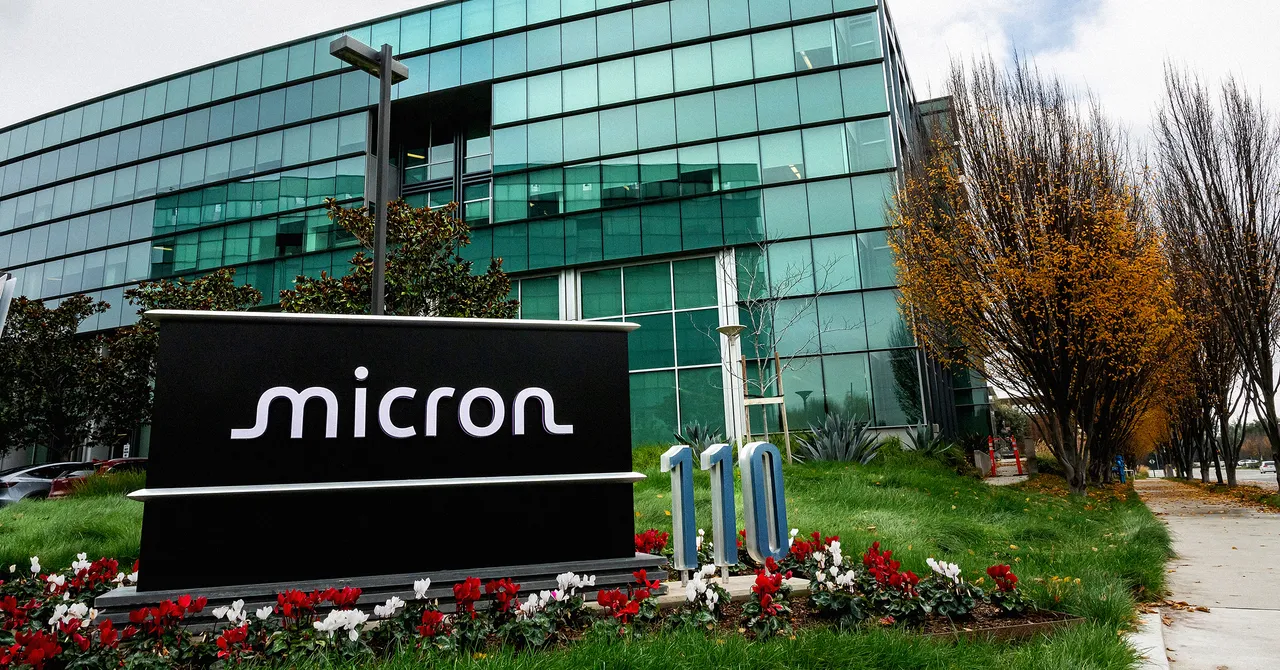
Micron Technology is one of the most influential companies in the global semiconductor industry. As a leading manufacturer of DRAM, NAND flash memory, and advanced storage systems, Micron powers the digital infrastructure that drives modern life.
From smartphones and laptops to enterprise data centers, artificial intelligence systems, and autonomous vehicles, Micron’s memory and storage solutions are at the heart of innovation.
Over the decades, Micron Technology has transformed from a small semiconductor startup into a global technology powerhouse. Its commitment to research, product excellence, and sustainable manufacturing has positioned it as a critical enabler of digital transformation.
In this in-depth article, we will explore Micron’s history, key technologies, innovations, industry role, competitive landscape, sustainability efforts, and future outlook.
Founded in 1978 in Boise, Idaho, Micron Technology began as a modest semiconductor design company. In its early years, the company focused on manufacturing memory chips for computing systems.
Through dedication to engineering excellence and strategic expansion, Micron steadily grew its presence in the highly competitive memory market.
During the 1990s and early 2000s, Micron expanded internationally, building fabrication plants and research centers across multiple countries.
Strategic acquisitions played a major role in its growth, allowing the company to enhance its capabilities in DRAM and NAND flash production.
As computing devices evolved—from desktop computers to laptops, smartphones, and cloud infrastructure—Micron adapted its technology roadmap to meet rising performance demands.
The company’s ability to innovate while maintaining cost efficiency helped it compete with major global semiconductor manufacturers.
Today, Micron operates globally, serving customers in consumer electronics, automotive, industrial, enterprise, and cloud computing sectors. With decades of expertise, it remains a trusted name in high-performance memory and storage solutions.
Understanding Memory and Storage: The Foundation of Modern Computing
Before diving deeper into Micron’s products, it is important to understand why memory and storage are essential.
Memory (RAM) enables fast, temporary access to data while a device is running.
Storage (NAND/SSD) preserves data permanently, even when the device is powered off.
Without reliable memory and storage components, no modern device—from smartphones to AI servers—could function effectively. As data generation increases exponentially, the demand for faster, denser, and more energy-efficient memory solutions continues to grow.
Micron Technology plays a central role in fulfilling this demand.
Micron’s Key Products and Technologies
Micron’s product portfolio is built around two primary technologies: DRAM and NAND flash memory. However, its offerings extend far beyond these foundational products.
1. DRAM (Dynamic Random Access Memory)
DRAM is critical for high-speed data processing. It is used in:
Personal computers and laptops
Data center servers
Gaming systems
Smartphones
Industrial equipment
Micron’s DRAM solutions are recognized for:
High bandwidth performance
Energy efficiency
Reliability under heavy workloads
The company manufactures specialized DRAM variants, including DDR memory for desktops and servers, and low-power DRAM for mobile devices.
2. NAND Flash Memory
Unlike DRAM, NAND flash is non-volatile, meaning it retains information even when power is removed. It is used in:
Solid-State Drives (SSDs)
USB drives
Memory cards
Embedded storage in smartphones
Micron’s NAND flash products provide:
High storage density
Fast read/write speeds
Lower power consumption
Long-term reliability
As consumers and enterprises require more storage for applications like 4K video, cloud computing, and AI workloads, NAND flash has become increasingly important.
3. Solid-State Drives (SSDs)
Micron manufactures SSDs for both consumer and enterprise markets. These drives replace traditional hard disk drives (HDDs) and offer:
Faster boot times
Improved system responsiveness
Lower energy consumption
Greater durability
Enterprise SSDs from Micron are widely used in data centers to support cloud services, big data analytics, and virtualization platforms.
4. Mobile Memory Solutions
Micron develops LPDDR (Low Power DDR) memory for smartphones and tablets. These memory modules:
Enhance battery life
Improve multitasking performance
Support advanced mobile gaming
Enable high-resolution photography and video
With growing global smartphone adoption, mobile memory remains a crucial segment for Micron.
Micron’s Breakthrough Innovations
Innovation is the driving force behind Micron’s long-term success. The company invests billions annually in research and development to stay ahead in the semiconductor race.
3D NAND Technology
One of Micron’s most significant breakthroughs is 3D NAND. Traditional NAND stored memory cells in a flat, two-dimensional structure. However, 3D NAND stacks cells vertically, allowing:
Greater storage capacity
Lower cost per bit
Improved performance
Better energy efficiency
This advancement revolutionized the storage industry by making high-capacity SSDs more affordable and accessible.
AI-Optimized Memory Solutions
Artificial intelligence applications require massive data processing at extremely high speeds. Micron has developed advanced memory systems optimized for:
Machine learning
Neural network training
Real-time analytics
High-performance computing
These AI-driven memory innovations enable faster data movement between processors and storage systems, improving overall system performance.
Automotive Memory Solutions
Modern vehicles rely heavily on advanced electronics. Micron provides automotive-grade memory solutions for:
Autonomous driving systems
Infotainment systems
Advanced driver-assistance systems (ADAS)
Electric vehicle platforms
As the automotive industry transitions toward electrification and automation, memory requirements continue to expand significantly.
Micron Technology’s Role in the Global Tech Industry
Micron is not just a component manufacturer—it is a foundational technology enabler. Its products support several rapidly growing industries:
1. Cloud Computing
Cloud service providers rely on high-performance DRAM and SSDs to manage massive data workloads. Micron’s enterprise memory products help data centers operate efficiently at scale.
2. Artificial Intelligence
AI applications require low-latency, high-bandwidth memory. Micron’s advanced solutions accelerate AI training and inference tasks.
3. 5G Connectivity
The rollout of 5G networks increases demand for data-intensive applications. Smartphones and network infrastructure depend on advanced memory to handle higher speeds and lower latency.
4. Internet of Things (IoT)
Connected devices—from smart home systems to industrial sensors—require reliable, low-power memory components. Micron provides embedded memory solutions tailored to IoT environments.
Competitive Landscape
The semiconductor memory industry is highly competitive. Micron competes with major global manufacturers that also produce DRAM and NAND solutions. Success in this industry depends on:
Manufacturing efficiency
Technological innovation
Supply chain resilience
Cost competitiveness
Micron differentiates itself through cutting-edge fabrication processes and strong research capabilities.
Sustainability and Corporate Responsibility
Micron recognizes the environmental impact of semiconductor manufacturing. The company has committed to:
Reducing greenhouse gas emissions
Improving water conservation
Increasing renewable energy usage
Enhancing energy efficiency in fabrication plants
By integrating sustainability into its operations, Micron aims to support long-term environmental responsibility while maintaining production excellence.
In addition, Micron invests in community programs, education initiatives, and STEM development to foster future technological talent.
Financial Strength and Market Presence
As a publicly traded company, Micron’s financial performance reflects global demand for memory products. Market cycles influence revenue due to fluctuations in supply and pricing within the semiconductor industry.
Despite cyclical challenges, Micron has maintained strong long-term growth through:
Strategic investments
Technological advancements
Diversified product offerings
Global customer partnerships
Its resilience demonstrates the essential nature of memory and storage technologies in modern economies.
Micron Technology is more than a chip manufacturer—it is a critical driver of digital progress. Every time you:
Open an app on your smartphone
Stream a movie
Store files in the cloud
Use AI-powered tools
Drive a modern vehicle
There is a strong possibility that Micron’s memory technology is working behind the scenes.
As the world becomes increasingly data-driven, memory and storage solutions will become even more vital. Micron’s expertise positions it at the center of this digital revolution.
Conclusion
Micron Technology has built a remarkable legacy in the semiconductor industry through innovation, resilience, and technological excellence. From its humble beginnings in 1978 to becoming a global memory leader, the company has consistently adapted to the changing demands of the digital world. Its DRAM, NAND flash, SSDs, and AI-optimized memory solutions power countless devices and infrastructure systems worldwide.
Looking toward the future, Micron is strategically aligned with high-growth sectors such as artificial intelligence, cloud computing, 5G, automotive technology, and IoT. Through sustained investment in research and sustainable manufacturing practices, the company is not only advancing memory performance but also contributing to a more efficient and environmentally responsible tech ecosystem. As digital transformation accelerates globally, Micron Technology will undoubtedly continue shaping the future of memory and storage innovation.
Frequently Asked Questions
What is Micron Technology known for?
Micron Technology is known for manufacturing DRAM and NAND flash memory products used in computers, smartphones, data centers, and automotive systems. The company is recognized globally for its high-performance and energy-efficient memory solutions.
What industries use Micron’s products?
Micron’s products are used in multiple industries, including consumer electronics, cloud computing, artificial intelligence, automotive technology, industrial systems, and telecommunications.
What is 3D NAND technology?
3D NAND technology is an advanced storage architecture where memory cells are stacked vertically instead of arranged in a flat layout. This design increases storage density, improves performance, and reduces cost per bit.
How does Micron support artificial intelligence applications?
Micron develops high-bandwidth, low-latency memory solutions that enable faster data processing for AI training and inference tasks. These memory modules are critical for machine learning workloads in data centers.
Is Micron Technology focused on sustainability?
Yes, Micron is committed to sustainability through energy-efficient manufacturing, reduced emissions, water conservation, and increased use of renewable energy sources in its operations.