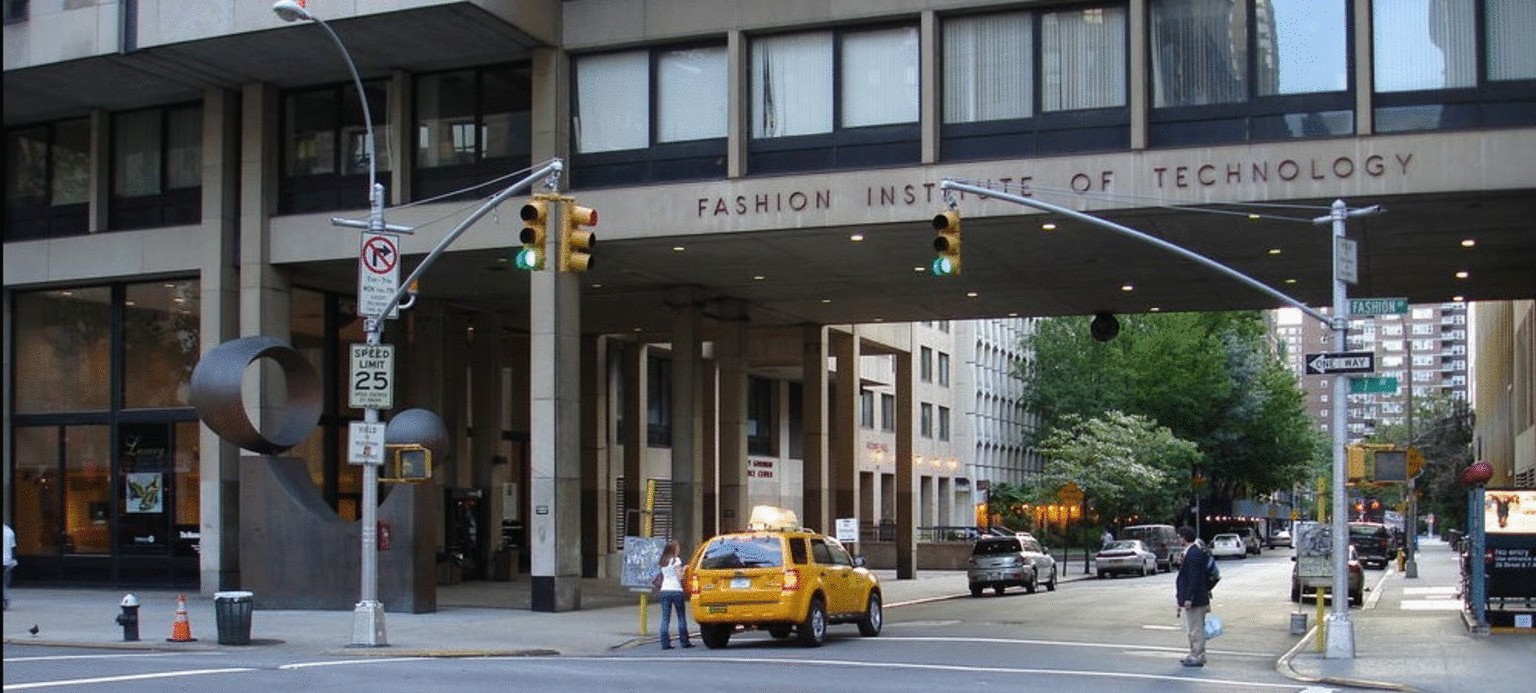
The Fashion Institute of Technology (FIT) stands as one of the most respected and career-focused institutions for fashion, design, business, and technology education in the world.
Located in the heart of Manhattan, FIT combines creative excellence with professional preparation, offering students direct access to the global fashion capital of the United States.
Founded in 1944, FIT is part of the State University of New York (SUNY) system, which gives it the credibility of a public institution while maintaining a specialized focus on the creative industries.
Over the decades, FIT has built a strong global reputation for producing successful designers, marketers, entrepreneurs, and industry leaders.
In this comprehensive SEO-optimized guide, we will explore FIT’s rankings, academic programs, campus life, industry connections, career opportunities, comparisons with other institutions, admission insights, and long-term value for students pursuing careers in fashion and design.
The Fashion Institute of Technology is a specialized public college dedicated primarily to:
Fashion Design
Fashion Business Management
Textile Development
Marketing & Communications
Interior Design
Photography
Advertising & Digital Media
Cosmetics & Fragrance Marketing
Technology within Creative Industries
Unlike traditional universities that offer hundreds of unrelated majors, FIT’s curriculum is centered around fashion and creative enterprise. This focused approach allows students to immerse themselves in industry-specific learning from day one.
Located in Manhattan’s Chelsea/Flatiron district, FIT benefits from proximity to:
Major fashion houses
Global retail brands
Design studios
Showrooms
Media agencies
This location gives students real-world exposure unmatched by many other institutions.
FIT’s Status and Global Rankings
When evaluating a fashion college, rankings play an important role. FIT consistently performs strongly in niche fashion education rankings.
Global Recognition in Fashion Education
FIT has been ranked among the top fashion schools globally by major industry publications. Its reputation within the fashion world often exceeds its general academic ranking because it specializes in professional education rather than broad academic research.
National Design Rankings
Within the United States, FIT frequently appears among the top colleges for design, fashion merchandising, and creative business programs. Its location in New York City significantly boosts its ranking in categories related to career access and networking opportunities.
Research vs. Professional Focus
Unlike large research universities, FIT’s mission is centered on professional preparation rather than academic research output. Therefore, its research-based rankings may appear lower compared to major research institutions.
However, for students focused specifically on fashion and creative industries, FIT’s industry recognition is far more relevant than research metrics.
Why Choose the Fashion Institute of Technology?
Choosing the right college is one of the most important decisions for any student. FIT offers several unique advantages.
1. Prime Location in New York City
New York City is one of the world’s fashion capitals. Being based in Manhattan allows FIT students to:
Attend fashion shows and trade events
Network with industry professionals
Secure internships at top brands
Experience real-world fashion business environments
Few institutions can match this level of direct industry exposure.
2. Industry-Focused Curriculum
FIT designs its programs in collaboration with industry professionals. Courses are structured to reflect current market demands, ensuring students graduate with relevant, job-ready skills.
Programs combine:
Creative design training
Technical production knowledge
Business strategy
Marketing analytics
Digital commerce
This balanced approach prepares students for both creative and managerial roles.
3. Strong Internship Opportunities
Because of its location and reputation, FIT has strong relationships with fashion houses, retailers, and media companies. Students frequently complete internships with:
Luxury brands
Global retailers
Fashion startups
Beauty and cosmetics companies
Advertising agencies
Internships often lead directly to full-time job offers.
4. Experienced Faculty
A high percentage of FIT faculty members work or have worked directly in the fashion and design industries. This ensures students receive practical insights rather than purely theoretical instruction.
Learning from professionals who understand real-world fashion challenges is one of FIT’s strongest advantages.
5. Specialized Majors and Career Alignment
FIT offers targeted programs such as:
Fashion Design
Fashion Business Management
Textile/Surface Design
International Trade & Marketing
Cosmetics & Fragrance Marketing
Advertising and Marketing Communications
Interior Design
Students can clearly align their education with their career goals.
Academic Programs at FIT
School of Art and Design
This division focuses on creative disciplines including:
Fashion Design
Illustration
Photography
Graphic Design
Packaging Design
Jewelry Design
Students develop portfolios that showcase technical skills, creativity, and innovation.
School of Business and Technology
This division focuses on the commercial side of fashion:
Fashion Business Management
International Trade & Marketing
Entrepreneurship
Production Management
Supply Chain Management
Graduates often work in brand management, merchandising, retail operations, and fashion marketing.
School of Liberal Arts
FIT also provides general education courses in:
English
History of Art
Cultural Studies
Sustainability
Ethics
These subjects ensure students gain broader intellectual development beyond technical training.
Campus Life and Student Experience
Despite being located in the heart of Manhattan, FIT has a defined campus environment. Students benefit from:
On-campus housing
Student clubs and organizations
Fashion events and exhibitions
Career development services
Study abroad opportunities
The college fosters a creative and collaborative atmosphere where students from diverse backgrounds share a passion for fashion and design.
Admission Requirements and Acceptance Rate
FIT’s acceptance rate typically ranges around 50-60%, making it moderately selective.
Admission requirements may include:
Academic transcripts
Standardized test scores (if required)
Portfolio submission (for creative majors)
Personal statement
For fashion design programs, a strong creative portfolio is critical. Demonstrating originality, technical skill, and conceptual thinking can significantly strengthen an application.
Comparing FIT to Other Fashion Schools
When comparing FIT with other global fashion institutions, several factors stand out:
Industry Access
Being in New York City provides a competitive advantage compared to schools located in smaller cities.
Cost Structure
As a public institution within the SUNY system, FIT often offers more affordable tuition compared to private fashion schools.
Research vs. Practice
Unlike research-intensive universities, FIT prioritizes hands-on learning and industry immersion.
Students seeking a traditional liberal arts or STEM-heavy research environment may prefer a comprehensive university. However, for fashion-focused education, FIT holds a strong position.
Career Opportunities After Graduation
Graduates of the Fashion Institute of Technology often pursue careers in:
Fashion Design
Retail Buying & Merchandising
Brand Management
Visual Merchandising
Fashion Marketing
Textile Development
Fashion Journalism
Product Development
Many alumni work for global fashion brands or launch their own labels and startups.
Because of FIT’s strong industry network, students often secure employment quickly after graduation.
Financial Considerations
While FIT’s tuition is generally more affordable than private fashion colleges, living in New York City can be expensive.
Prospective students should consider:
Housing costs
Transportation
Materials for design projects
Internship commuting expenses
However, the potential return on investment is strong due to access to high-paying fashion careers.
Sustainability and Innovation at FIT
The fashion industry faces growing pressure to address sustainability challenges. FIT integrates sustainability education into many of its programs.
Students learn about:
Ethical sourcing
Sustainable textiles
Circular fashion models
Environmental impact reduction
This focus ensures graduates are prepared for the future of responsible fashion.
Opposing Perspective: Is FIT Right for Everyone?
While FIT excels in fashion-focused education, it may not be ideal for every student.
Some limitations include:
Limited range of non-fashion majors
Lower research output compared to large universities
High cost of living in NYC
Students seeking engineering, medical, or scientific research pathways may find better options elsewhere. However, for students committed to the fashion industry, FIT’s specialization is a powerful advantage.
The Future of the Fashion Institute of Technology
As digital commerce, AI-driven design tools, and sustainable fashion reshape the industry, FIT continues adapting its curriculum to meet emerging trends.
Future growth areas may include:
Digital fashion and virtual garments
E-commerce strategy
Fashion technology integration
Data analytics in retail
Sustainable manufacturing innovation
FIT’s ability to evolve alongside industry trends ensures its continued relevance in global fashion education.
Conclusion
The Fashion Institute of Technology stands as one of the world’s most respected institutions for fashion and creative business education. With its strategic location in Manhattan, strong industry ties, specialized curriculum, and affordable public tuition structure, FIT offers exceptional value for aspiring designers and fashion entrepreneurs. Its reputation within the global fashion industry makes it a powerful stepping stone for students determined to build successful careers.
However, choosing FIT requires clarity of purpose. Because it is highly specialized, it best serves students who are fully committed to careers in fashion, design, marketing, or related creative industries. For those individuals, FIT provides unmatched industry immersion, networking opportunities, and practical training. When aligned with clear career goals, a degree from FIT can open doors to exciting opportunities in one of the most dynamic industries in the world.
Frequently Asked Questions
Is the Fashion Institute of Technology a good college for fashion design?
Yes, FIT is widely regarded as one of the top institutions globally for fashion design and related fields. Its industry connections, Manhattan location, and specialized curriculum make it an excellent choice for aspiring fashion professionals.
What is FIT’s acceptance rate?
FIT’s acceptance rate generally falls between 50-60%, making it moderately selective. Competitive programs like Fashion Design may require strong portfolios.
Is FIT part of a public university system?
Yes, FIT is part of the State University of New York (SUNY) system, which makes it a public college offering relatively affordable tuition compared to private fashion schools.
Do FIT students get internships in New York City?
Yes, many students secure internships with major fashion brands, retail companies, and design studios in New York City due to FIT’s strong industry relationships.
What careers can you pursue after graduating from FIT?
Graduates often work in fashion design, merchandising, marketing, brand management, textile development, retail operations, and other fashion-related fields. Many alumni also launch their own businesses.