In a world defined by rapid change, digital overload, environmental concerns, and increasing stress levels, more people are searching for a lifestyle that promotes balance, purpose, and long-term well-being.
The SDC lifestyle—short for Sustainable Development and Conscious Living—offers a practical and meaningful framework for living intentionally while caring for both personal growth and the planet.
The SDC lifestyle is not a trend or temporary self-improvement challenge. It is a long-term philosophy centered on sustainability, self-awareness, and balance. By integrating mindful habits into daily routines, individuals can improve their mental health, physical wellness, financial stability, relationships, and environmental impact.
This comprehensive, SEO-optimized guide explores the meaning, benefits, practical strategies, and long-term value of adopting an SDC lifestyle in modern life.
The SDC lifestyle stands for Sustainable Development and Conscious Living. It is built upon three interconnected pillars:
Sustainability
Self-awareness
Balance
Together, these pillars create a holistic way of living that promotes well-being while reducing harm to the environment and society.
Sustainability
Sustainability focuses on making choices that preserve natural resources and reduce environmental damage. This includes:
Reducing waste
Conserving energy
Choosing eco-friendly products
Supporting ethical businesses
Minimizing carbon footprint
Sustainable living encourages long-term thinking rather than short-term convenience.
Self-Awareness
Self-awareness involves understanding your emotional, physical, mental, and spiritual needs. It requires mindfulness and reflection to align your actions with your values.
This includes:
Recognizing stress triggers
Monitoring emotional responses
Practicing gratitude
Setting healthy boundaries
Aligning lifestyle choices with personal goals
Balance
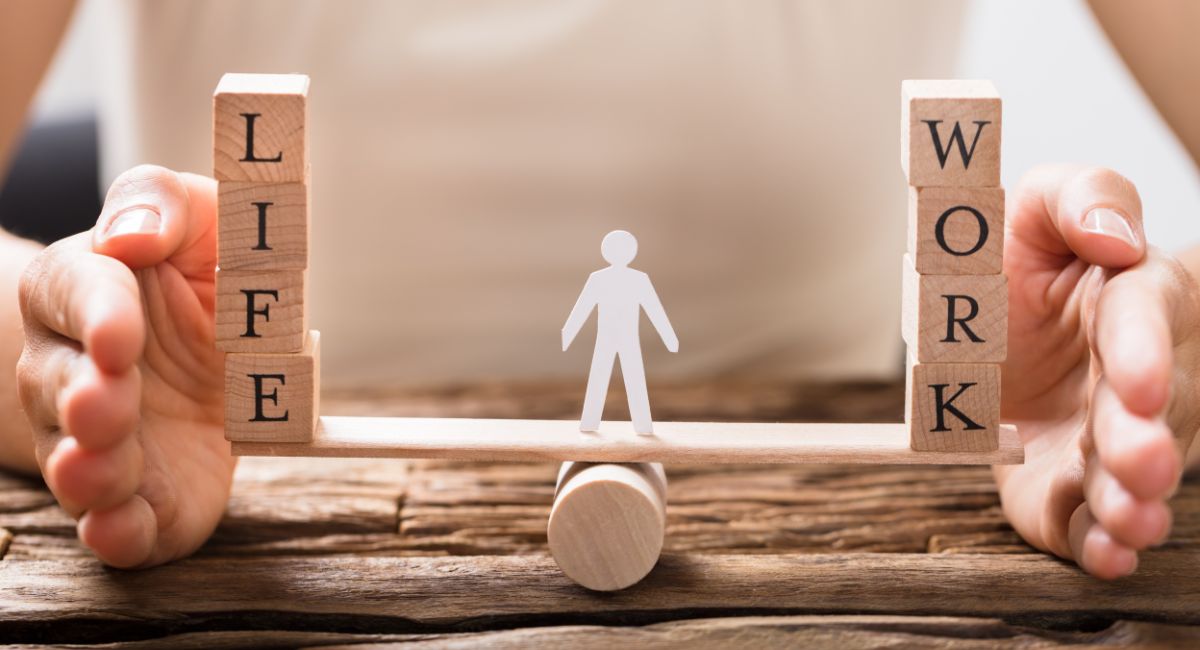
Balance refers to maintaining harmony between different areas of life, such as:
Work and personal life
Productivity and rest
Social time and solitude
Ambition and contentment
Without balance, even sustainable habits can lead to burnout.
Why the SDC Lifestyle Is More Important Than Ever
Modern society often promotes:
Consumerism
Instant gratification
Overworking
Digital distraction
Environmental neglect
These habits contribute to stress, financial strain, poor health, and ecological damage. The SDC lifestyle counters these pressures by encouraging intentional living.
By adopting conscious habits, individuals gain greater control over their time, energy, resources, and emotional well-being.
The Core Pillars of the SDC Lifestyle Explained in Detail
1. Sustainable Living Practices
Sustainability begins with small daily decisions.
Reduce Waste
Avoid single-use plastics
Recycle responsibly
Compost organic waste
Buy reusable products
Conserve Energy
Turn off unused electronics
Use energy-efficient appliances
Choose LED lighting
Reduce water usage
Ethical Consumer Choices
Support local businesses
Choose sustainable fashion
Avoid fast fashion trends
Research brands before purchasing
Sustainable habits protect the planet while promoting mindful consumption.
2. Conscious Living and Mindfulness
Conscious living means being present and intentional in everyday actions.
Daily Mindfulness Practices
Meditation
Deep breathing exercises
Journaling
Digital detox periods
Gratitude reflection
These practices reduce stress and improve emotional clarity.
Intentional Decision-Making
Instead of acting impulsively, conscious living encourages asking:
Does this align with my values?
Is this necessary?
What long-term impact will this have?
This approach improves personal growth and decision quality.
3. Achieving Life Balance
Many people struggle with burnout due to poor work-life boundaries.
Work-Life Balance Strategies
Set clear working hours
Avoid checking emails late at night
Schedule personal time
Take regular breaks
Emotional Balance
Accept imperfections
Avoid overcommitment
Learn to say no
Prioritize mental health
Balance creates sustainable productivity rather than exhaustion.
Benefits of Living the SDC Lifestyle
Adopting an SDC lifestyle produces powerful long-term benefits.
1. Improved Mental Health
Mindfulness and balance reduce anxiety and stress. When you align your actions with your values, you experience greater emotional stability and clarity.
Benefits include:
Reduced overwhelm
Better focus
Improved resilience
Increased self-confidence
2. Better Physical Health
Sustainable living often overlaps with healthier habits:
Eating whole foods
Exercising regularly
Prioritizing sleep
Reducing toxic exposure
These practices improve energy levels and longevity.
3. Positive Environmental Impact
By reducing waste and conserving resources, individuals contribute to:
Lower carbon emissions
Reduced pollution
Conservation of natural resources
Protection of ecosystems
Small changes collectively create large environmental benefits.
4. Financial Stability
The SDC lifestyle discourages unnecessary consumption and encourages:
The SDC lifestyle offers a practical and powerful framework for living intentionally in a fast-paced world. By focusing on sustainability, self-awareness, and balance, individuals can create meaningful improvements in mental health, physical wellness, financial stability, and environmental responsibility. Rather than pursuing perfection, the goal is steady progress through mindful daily choices that align with long-term values.
Ultimately, the SDC lifestyle is about living with purpose. It encourages individuals to think beyond immediate gratification and consider the lasting impact of their actions. When you integrate sustainable habits, cultivate emotional awareness, and protect your life balance, you build a foundation for lasting fulfillment. Small, consistent changes today can create a healthier, more meaningful future for both you and the world around you.
Frequently Asked Questions
What does SDC lifestyle mean?
SDC stands for Sustainable Development and Conscious Living. It refers to a balanced lifestyle focused on sustainability, self-awareness, and intentional living.
How can I start living an SDC lifestyle?
Start by defining your values, reducing waste, practicing mindfulness, setting work-life boundaries, and making small sustainable changes to your daily routine.
Is the SDC lifestyle expensive?
Not necessarily. While some eco-friendly products may cost more initially, conscious spending and reduced consumption often lead to long-term financial savings.
Can the SDC lifestyle improve mental health?
Yes. Mindfulness, balance, and intentional living reduce stress, improve emotional clarity, and promote psychological resilience.
Why is balance important in the SDC lifestyle?
Balance prevents burnout and ensures harmony between work, personal life, relationships, and rest, making sustainable living truly sustainable over time.