Urban transportation has undergone a dramatic transformation over the past decade, particularly in large and rapidly growing cities. One of the most notable examples of this shift can be seen in Lima, where the rise of taxi apps has significantly changed how residents and visitors move around the city.
For many years, transportation in Lima was known for its unpredictability, heavy traffic, and informal taxi networks. Finding a safe, reliable ride often required negotiation, patience, and sometimes luck.
However, the digital revolution has reshaped this experience. The emergence of modern ride-hailing platforms such as Uber, Cabify, DiDi, and inDrive has introduced a more structured and efficient transportation system.
With just a smartphone and an internet connection, passengers can now book rides instantly, track drivers in real time, and enjoy safer and more predictable travel experiences.
This technological shift has not only improved convenience for passengers but also created new opportunities for drivers and entrepreneurs. The rise of taxi apps in Lima represents a powerful example of how digital innovation can transform urban mobility and bring order to previously chaotic systems.
In this article, we explore the evolution of transportation in Lima, the rise of taxi apps, their impact on passengers and drivers, and the future of mobility in one of South America’s largest cities.
Before the introduction of taxi apps, transportation in Lima was often complicated and stressful. The city is home to more than 10 million people, making it one of the largest metropolitan areas in South America. Rapid population growth and urban expansion created enormous pressure on transportation infrastructure.
For decades, taxis operated largely within an informal system. Thousands of independent drivers worked without centralized regulation or standardized pricing. While many drivers were honest and professional, passengers often faced several challenges:
Difficulty finding available taxis during peak hours
Unclear or negotiable pricing systems
Concerns about safety and driver verification
Lack of ride tracking or accountability
In many cases, passengers had to negotiate fares before starting a trip. Prices could vary significantly depending on time, distance, or even the passenger’s perceived ability to pay.
These problems created frustration for both residents and tourists. As smartphone usage increased and digital services expanded across Peru, the demand for a more reliable transportation system became stronger.
Taxi apps arrived at exactly the right time.
How Taxi Apps Transformed Urban Mobility
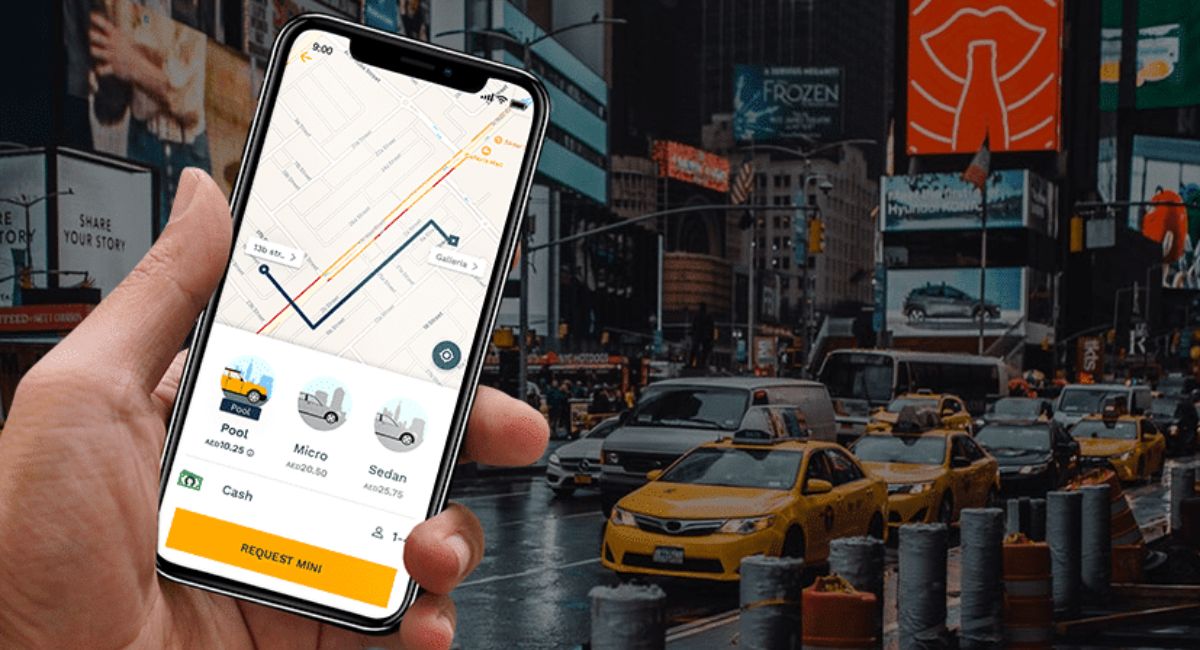
The introduction of taxi apps in Lima marked a turning point in the city’s transportation system. By combining GPS technology, digital payments, and real-time communication, these platforms offered solutions to many of the problems that passengers had experienced for years.
Instead of waving down taxis on the street, riders could now request a car through a mobile app and receive instant confirmation.
Several key features helped taxi apps quickly gain popularity in Lima.
Increased Safety for Passengers
One of the most important improvements introduced by taxi apps is enhanced passenger safety.
Before ride-hailing platforms existed, passengers had limited information about the drivers picking them up. With taxi apps, however, users can see detailed information about the driver before the trip begins.
Safety features typically include:
Driver identification and profile photos
Vehicle information and license plate details
GPS tracking of the entire trip
Real-time route monitoring
Emergency assistance options
Passengers can also share their ride details with family or friends, allowing others to track the journey in real time.
These safety features have significantly increased public confidence in app-based transportation services.
Transparent Pricing and Fair Fares
Another major improvement brought by taxi apps is pricing transparency.
Traditional taxi rides in Lima often required passengers to negotiate fares before the trip began. This could create confusion or disagreements between drivers and riders.
Ride-hailing apps solve this problem by calculating the estimated fare automatically using distance, traffic conditions, and demand levels.
Passengers can see the price before confirming the ride, which eliminates uncertainty and prevents unexpected costs at the end of the journey.
Although prices may increase during peak hours due to surge pricing, the system remains transparent and predictable.
This transparency has helped build trust between passengers and service providers.
Convenience Through Smartphone Technology
Convenience is perhaps the biggest advantage of taxi apps.
With just a few taps on a smartphone, passengers can:
Request a ride instantly
Track the driver’s location
Choose vehicle types
Pay digitally
Rate the service after the trip
In a large city like Lima, where distances between districts can be significant, this level of convenience is extremely valuable.
Taxi apps also allow users to schedule rides in advance, which is especially useful for airport trips, early-morning commutes, or important appointments.
Digital payment options, including credit cards and mobile wallets, further simplify the process by eliminating the need for cash transactions.
Improved Service Quality
Taxi apps introduced a feedback system that transformed service standards across the transportation industry.
After each trip, passengers can rate their experience and leave comments about the driver. Drivers also have the opportunity to rate passengers.
This rating system encourages professionalism and respectful behavior from both sides.
Drivers who consistently receive low ratings risk losing access to the platform, while high-rated drivers may receive more ride requests.
As a result, overall service quality has improved significantly compared to the traditional taxi system.
Adapting to Lima’s Traffic Challenges
Traffic congestion is one of the biggest challenges facing Lima.
The city’s roads often experience heavy traffic during peak hours, especially in busy districts such as Miraflores, San Isidro, and Barranco.
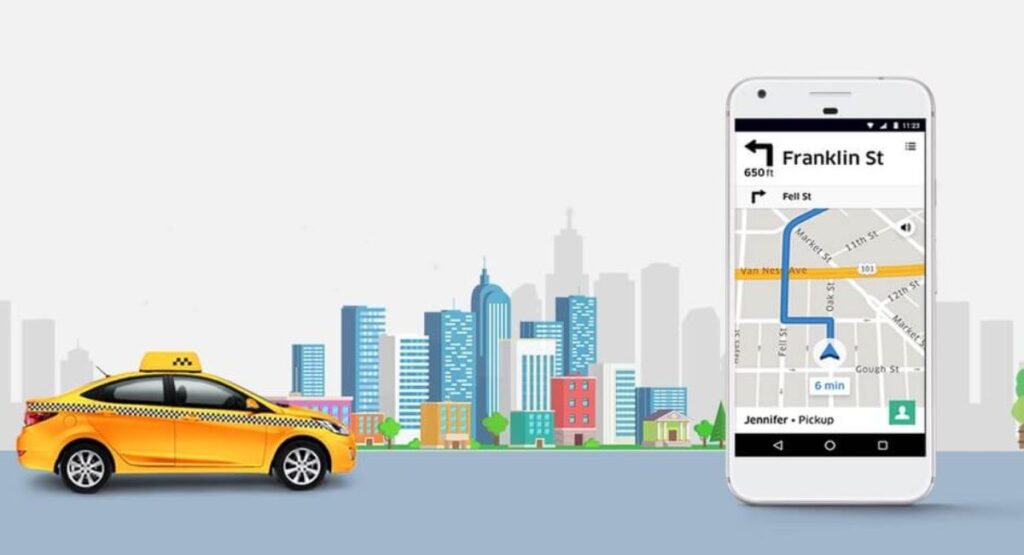
Taxi apps have adapted to these conditions by using advanced navigation technologies that analyze traffic patterns in real time.
Features include:
Dynamic route optimization
Real-time traffic updates
Alternative route suggestions
These tools help drivers avoid traffic congestion and reduce travel times.
Some platforms also offer shared ride options, allowing multiple passengers traveling in similar directions to share a vehicle and reduce costs.
The Impact on Drivers
While taxi apps provide benefits for passengers, they have also created new opportunities for drivers.
Many drivers who previously worked independently have joined digital platforms to gain access to a larger customer base.
Ride-hailing apps offer several advantages for drivers:
Flexible working hours
Digital payment security
Access to navigation tools
Increased ride demand
Drivers can choose when to work and how long to stay online, giving them greater control over their schedules.
However, the growth of taxi apps has also created debates within the transportation industry.
Some drivers have expressed concerns about platform commissions, while traditional taxi associations worry about competition from digital services.
Despite these challenges, the overall impact of taxi apps on employment and mobility has been largely positive.
Taxi Apps and Lima’s Growing Digital Culture
The success of taxi apps in Lima reflects a broader shift toward digital lifestyles.
In recent years, Peru has experienced rapid growth in smartphone usage, internet connectivity, and digital financial services.
Younger generations, in particular, prefer app-based solutions for everyday activities such as:
Food delivery
Online shopping
Banking services
Transportation
The COVID-19 pandemic accelerated this trend even further. During the pandemic, contactless services became more important than ever.
Taxi apps allowed passengers to book rides without physical contact, pay digitally, and travel more safely.
As a result, digital transportation services became deeply integrated into daily life in Lima.
The Role of Tourism in Taxi App Growth
Lima is one of the most visited cities in South America and serves as a gateway for travelers exploring Peru.
Tourists often visit attractions such as the Historic Centre of Lima and the famous Plaza Mayor of Lima.
For visitors unfamiliar with the city, taxi apps provide a convenient and reliable way to travel between destinations.
Language barriers, price negotiations, and safety concerns become less significant when transportation can be arranged through a trusted mobile platform.
This has made taxi apps an important part of the tourism experience in Lima.
Environmental and Technological Innovations
The future of transportation in Lima is likely to involve even greater technological innovation.
Many ride-hailing companies are already exploring environmentally friendly solutions, including:
Electric vehicle fleets
Hybrid cars
Carbon-offset programs
Smart traffic management systems may also improve urban mobility by analyzing traffic patterns and optimizing road usage.
Some experts believe that future transportation networks will integrate taxi apps with public transportation systems such as buses and metro lines.
This type of integration could create a more efficient and sustainable transportation ecosystem.
Looking Ahead: The Future of Mobility in Lima
The rise of taxi apps is only the beginning of a broader transformation in urban mobility.
In the coming years, Lima may see the expansion of new transportation technologies, including:
Electric ride-sharing vehicles
Smart traffic management systems
Integrated mobility platforms
Micro-mobility options such as scooters and bicycles
These innovations could make transportation faster, cleaner, and more accessible for millions of residents.
Taxi apps will likely continue playing a central role in this evolving ecosystem.
Conclusion
The transformation of transportation in Lima demonstrates how technology can solve real-world urban challenges. What was once a chaotic and unpredictable taxi system has gradually evolved into a more organized and reliable network thanks to digital ride-hailing platforms.
Taxi apps have improved safety, transparency, and convenience for passengers while creating flexible employment opportunities for drivers. They have also supported tourism, strengthened the city’s digital economy, and encouraged innovation in urban mobility.
As Lima continues to grow and modernize, the role of technology in transportation will only become more important. The journey from chaos to convenience is still ongoing, but the progress made so far shows how digital solutions can reshape everyday life in one of South America’s most vibrant cities.
FAQs
What are taxi apps and how do they work?
Taxi apps are smartphone applications that allow users to request rides from nearby drivers. The app connects passengers with drivers, calculates fares, tracks the route using GPS, and often allows digital payment.
Which taxi apps are most popular in Lima?
Some of the most widely used taxi apps in Lima include Uber, Cabify, DiDi, and inDrive, all of which offer ride-hailing services across different districts of the city.
Are taxi apps safe to use in Lima?
Yes, taxi apps generally offer improved safety compared to traditional taxis. Features such as driver verification, GPS tracking, ride sharing with contacts, and customer ratings help ensure safer travel experiences.
Do taxi apps cost more than traditional taxis?
Prices can vary depending on demand, distance, and traffic conditions. However, taxi apps provide transparent pricing before the ride begins, which helps passengers avoid unexpected costs.
Why have taxi apps become popular in Lima?
Taxi apps became popular because they provide convenience, reliable pricing, improved safety, and easy access to transportation through smartphones, making them ideal for navigating a busy city like Lima.