Search engine optimization has changed dramatically over the last decade, but one thing remains constant: businesses that rank higher on search engines receive more traffic, more visibility, and more revenue.
In 2025, SEO is no longer just about adding keywords to a webpage. It has evolved into a sophisticated combination of content quality, technical performance, user experience, and search intent.
Today’s search engines rely on advanced artificial intelligence, machine learning, and user behavior analysis to determine which websites deserve the top spots in search results. The goal is simple: deliver the most helpful, relevant, and trustworthy information to users.
This means that companies, bloggers, and website owners must adopt smarter strategies to stay competitive. Whether you operate a global website or target a specific regional market such as Peru, understanding modern SEO techniques is essential for long-term online growth.
This comprehensive guide explains the most effective SEO strategies for 2025, including keyword research, search intent optimization, technical SEO, local SEO, content creation, and link-building techniques.
By following these strategies, you can significantly improve your chances of ranking higher on search engines such as Google and driving sustainable organic traffic to your website.
Search engine optimization has evolved far beyond the simple techniques used in the early days of the internet. In the past, websites could rank higher by repeating keywords many times or building large numbers of backlinks regardless of quality.
However, modern search engines are much more sophisticated.
Companies like Google now use AI-powered algorithms to evaluate content quality, relevance, and user experience. Updates such as Google Search Algorithm focus on rewarding websites that provide real value to users.
Several factors now influence search rankings, including:
Content quality and originality
Website speed and mobile performance
User engagement metrics
Search intent alignment
Domain authority and backlinks
Page structure and technical health
In 2025, successful SEO strategies focus on helping users first and optimizing for search engines second.
The Importance of Search Intent
Search intent has become one of the most important ranking factors in modern SEO.
Search intent refers to the reason behind a user’s search query. When someone types a phrase into a search engine, they are looking for a specific type of information or action.
There are four main types of search intent.
Informational Intent
Users want to learn something or find an answer to a question.
Examples include:
“What is SEO?”
“How to improve website ranking”
Content that satisfies informational intent usually includes guides, tutorials, and educational articles.
Navigational Intent
Users are searching for a specific website or brand.
For example:
Searching for YouTube directly
Looking for a specific company’s website
Transactional Intent
Users intend to purchase a product or service.
Examples include:
“Buy SEO tools online”
“Best digital marketing agency near me”
Commercial Investigation
Users are comparing options before making a purchase decision.
Examples include:
“Best SEO tools 2025”
“Ahrefs vs Semrush comparison”
Understanding search intent helps you create content that matches what users are actually looking for.
Keyword Research That Actually Works
Keyword research remains the foundation of any successful SEO strategy.
However, the approach has changed significantly. Instead of focusing only on high-volume keywords, modern SEO requires a combination of long-tail keywords, semantic phrases, and conversational queries.
Some of the most popular SEO tools for keyword research include:
Ahrefs
Semrush
Google Keyword Planner
These tools help identify search volume, competition levels, and keyword opportunities.
Types of Keywords to Target
Successful SEO strategies typically include a mix of different keyword types.
Short-tail keywords These are broad search terms such as “SEO tips”.
Long-tail keywords These are longer, more specific phrases like “best SEO strategies for small businesses in 2025”.
Local keywords These include geographic locations, such as “SEO agency in Lima”.
Semantic keywords These are related terms that search engines associate with your topic.
Using a variety of keyword types helps your content rank for multiple search queries.
On-Page SEO Essentials
On-page SEO refers to the optimization of individual pages on your website.
Proper on-page optimization helps search engines understand your content while also improving the user experience.
Key on-page SEO elements include:
Optimized Titles
The title of your article should include your primary keyword and clearly describe the topic.
Clear Headings
Using headings such as H1, H2, and H3 improves readability and helps search engines understand the structure of your content.
Internal Linking
Internal links guide users to other relevant pages on your website and improve navigation.
Meta Descriptions
A well-written meta description increases click-through rates from search results.
Image Optimization
Images should include descriptive alt text to improve accessibility and SEO.
Creating High-Quality Content That Feels Human
Content remains the heart of SEO.
Search engines prioritize content that is helpful, informative, and trustworthy. Low-quality or repetitive content rarely ranks well.
To create high-quality content in 2025, focus on the following principles.
Write for Humans First
Your content should sound natural and conversational. Avoid robotic language or excessive keyword repetition.
Provide Real Value
Your content should answer questions, solve problems, or provide insights that users cannot easily find elsewhere.
Add Depth and Context
Detailed explanations, examples, and case studies improve credibility and engagement.
Update Content Regularly
Search engines prefer fresh and updated information, especially for topics related to technology or marketing trends.
Technical SEO Still Matters
Even the best content cannot rank well if a website has technical problems.
Technical SEO focuses on improving the performance and structure of your website.
Important technical SEO factors include:
Website Speed
Fast-loading websites provide a better user experience and rank higher in search results.
Mobile-First Design
Since most searches occur on smartphones, websites must be optimized for mobile devices.
Core Web Vitals
Core Web Vitals measure page performance, loading speed, and visual stability.
Secure Websites
Websites should use HTTPS encryption to protect user data.
Clean URL Structure
Simple, readable URLs help both users and search engines understand page content.
The Power of Backlinks
Backlinks remain one of the strongest ranking signals in SEO.
A backlink is created when another website links to your content. Search engines interpret backlinks as votes of confidence in your website’s credibility.
However, quality matters more than quantity.
A few high-quality backlinks from authoritative websites are more valuable than hundreds of low-quality links.
Effective backlink strategies include:
Guest posting on reputable websites
Publishing research or case studies
Creating shareable infographics
Building partnerships with other websites
Avoid spammy link-building tactics, as they can lead to penalties from search engines.
Local SEO for Businesses
Local SEO has become increasingly important for businesses targeting specific geographic regions.
For example, companies operating in Lima can improve their local visibility by optimizing their presence on Google Business Profile.
Local SEO strategies include:
Optimizing business listings
Encouraging customer reviews
Creating location-specific landing pages
Maintaining consistent contact information
These strategies help businesses appear in local search results and map listings.
Voice Search and AI in SEO
Voice search has become increasingly popular due to smart assistants and mobile devices.
Technologies such as Google Assistant and Siri allow users to search the internet using natural language.
To optimize for voice search:
Use conversational keywords
Focus on question-based queries
Provide concise answers
AI technologies also play a growing role in SEO by analyzing user behavior and predicting search patterns.
Measuring SEO Performance
Successful SEO requires continuous monitoring and improvement.
Analytics tools help track performance and identify areas for optimization.
Popular tools include:
Google Analytics
Google Search Console
These platforms provide insights into:
Organic traffic growth
Keyword rankings
User behavior
Technical issues
Regular analysis helps ensure your SEO strategy continues delivering results.
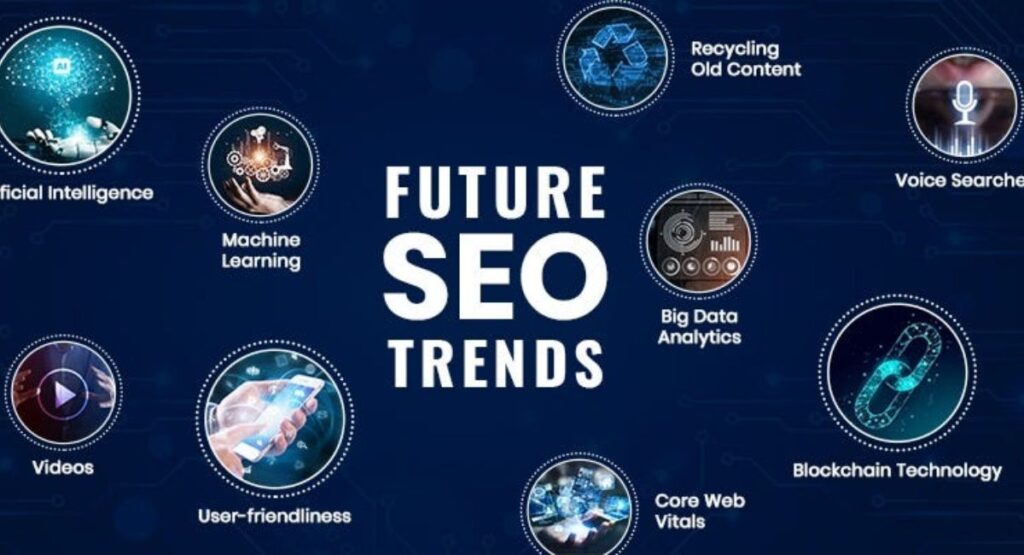
Future SEO Trends to Watch
The SEO landscape will continue evolving in the coming years.
Some key trends expected to shape the future include:
Increased use of artificial intelligence in search algorithms
Greater emphasis on user experience
Growth of voice and visual search
Stronger focus on content expertise and authority
Websites that adapt to these trends will have a competitive advantage in search rankings.
Conclusion
SEO in 2025 is more sophisticated than ever before, but the core principle remains simple: provide valuable content that genuinely helps users. Search engines reward websites that prioritize quality, relevance, and user experience over shortcuts or outdated tactics.
Businesses that invest in strategic SEO practices—such as keyword research, search intent optimization, technical performance, and high-quality content—can achieve long-term visibility and growth in search results.
By staying informed about evolving search algorithms and focusing on user-centered strategies, website owners can build sustainable online success. SEO is not a one-time task but an ongoing process that requires constant improvement, testing, and adaptation.
FAQs
What is SEO and why is it important in 2025?
SEO stands for Search Engine Optimization. It involves improving a website’s visibility on search engines so that it appears higher in search results and attracts more organic traffic.
How long does it take for SEO to show results?
SEO typically takes between three and six months to produce noticeable improvements, although competitive industries may take longer.
What are the most important SEO factors in 2025?
Some of the most important ranking factors include high-quality content, strong backlinks, fast website performance, mobile optimization, and matching user search intent.
Are backlinks still important for SEO?
Yes, backlinks remain one of the strongest ranking signals because they indicate that other websites trust and reference your content.
Can small businesses compete with large websites using SEO?
Yes. By targeting long-tail keywords, creating valuable content, and focusing on local SEO strategies, small businesses can successfully compete in search rankings.