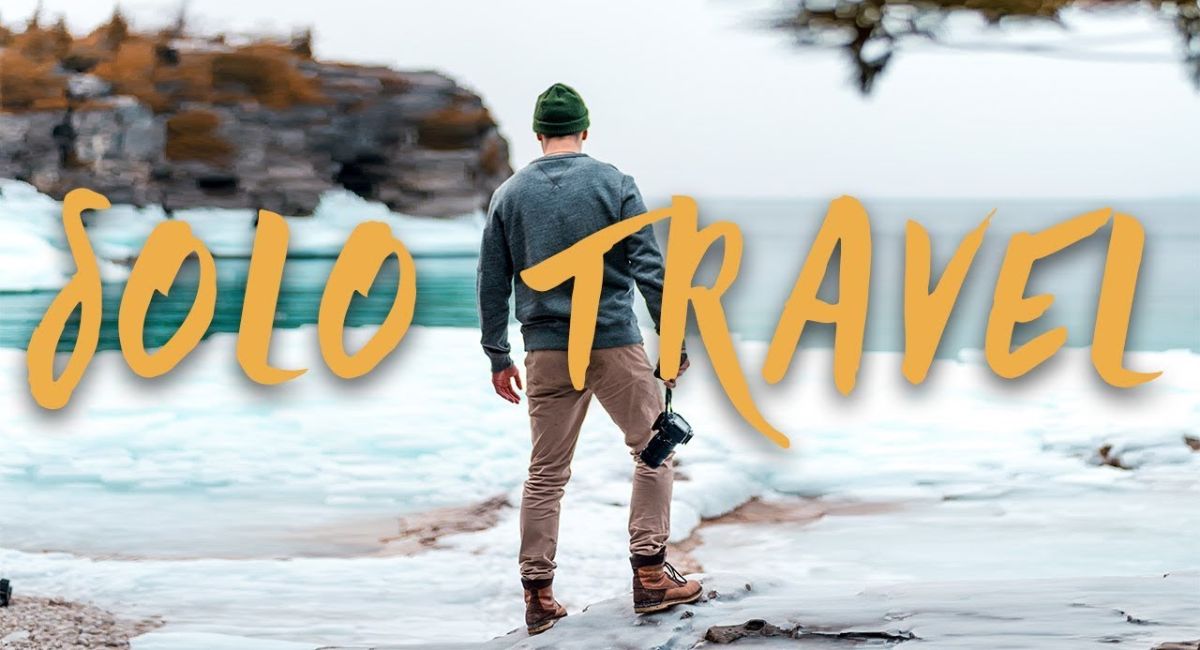
Solo travel is more than just visiting a new destination alone — it is a life-changing experience that builds confidence, independence, and self-awareness.
Whether you are planning your first solo adventure or you already have travel experience, understanding the best solo travel tips can transform your journey from stressful to extraordinary.
Traveling alone allows you to control your schedule, explore at your own pace, and step outside your comfort zone. You don’t have to compromise on activities, restaurants, or sightseeing spots. However, solo travel also requires careful planning, smart decision-making, and awareness.
This complete guide covers everything you need to know about solo travel — from planning and packing to safety, budgeting, meeting new people, and embracing personal growth. If you want a safe, affordable, and unforgettable solo trip, keep reading.
In recent years, solo travel has grown rapidly. More people are choosing to explore the world independently. There are several reasons behind this trend:
Increased remote work opportunities
Affordable flights and accommodations
Better travel technology and apps
Desire for self-discovery
Freedom and flexibility
Solo travel gives you complete control over your experiences. You decide when to wake up, where to eat, and how long to stay at a destination. There is no pressure to match someone else’s energy or interests.
1. Plan Ahead, But Stay Flexible
One of the most important solo travel tips is balancing preparation with flexibility. Planning reduces stress, but over-planning removes spontaneity.
Research Your Destination
Before traveling, learn about:
Local culture and traditions
Weather conditions
Transportation systems
Currency and payment methods
Safety concerns
Reading travel blogs, watching videos, and checking official tourism websites can give you a realistic idea of what to expect.
Book Your First Night’s Stay
Always secure accommodation for at least your first night. After that, you can adjust your plans if needed. This provides peace of mind when you arrive in a new place.
Leave Room for Spontaneity
Some of the best travel memories happen unexpectedly — a hidden café, a local festival, or a new friend inviting you to explore. Don’t overschedule every minute.
2. Pack Light, But Pack Smart
Packing efficiently is crucial when traveling alone. You will carry your own luggage everywhere, so lighter is better.
Choose Versatile Clothing
Bring clothes that can mix and match easily. Neutral colors work best. Focus on comfort rather than fashion trends.
Essential Items for Solo Travelers
Passport and copies
Travel insurance documents
Portable charger
First aid kit
Universal adapter
Comfortable walking shoes
Keep Valuables Secure
Always keep important items like passport, money, and electronics in your carry-on bag. Consider using anti-theft backpacks or money belts.
Avoid overpacking. Remember, you can buy things if needed.
3. Prioritize Safety at All Times
Safety is often the biggest concern for solo travelers. Fortunately, with smart decisions, most destinations can be explored safely.
Research Safety Conditions
Check travel advisories and read recent traveler reviews. Understand common scams in your destination.
Trust Your Instincts
If something feels wrong, leave immediately. Your intuition is powerful — especially when traveling alone.
Share Your Itinerary
Let a trusted family member or friend know:
Where you are staying
Your travel dates
Major transportation plans
Regular check-ins increase safety.
Blend In Like a Local
Avoid looking like a tourist. Dress appropriately, don’t display expensive items openly, and stay confident while walking.
4. Budget Management for Solo Travelers
When you travel alone, all expenses fall on you. Smart budgeting is essential.
Track Daily Expenses
Use budgeting apps or write down expenses daily. This prevents overspending.
Save on Accommodation
Options include:
Hostels
Guesthouses
Budget hotels
Short-term rentals
Homestays
Choose safe areas even if they cost slightly more.
Eat Like a Local
Street food and local restaurants are usually cheaper and more authentic than tourist spots.
Use Public Transportation
Buses, metros, and trains are more affordable than taxis or rideshares.
5. Meeting People While Traveling Solo
Solo travel does not mean loneliness. In fact, you may meet more people than when traveling in a group.
Stay in Social Accommodations
Hostels often have communal spaces where travelers connect easily.
Join Group Tours
Walking tours, cooking classes, and day trips are great ways to meet fellow travelers.
Use Travel Apps
Apps and local groups can help you connect with people who share similar interests.
However, always prioritize safety when meeting new people.
6. Stay Connected, But Be Smart Online
Technology makes solo travel easier and safer.
Get Local SIM or eSIM
Having internet access helps with navigation, communication, and emergency situations.
Avoid Oversharing on Social Media
Posting real-time location updates can expose you to risk. Share photos after leaving the location.
Backup Important Documents
Store digital copies of your passport and travel documents in secure cloud storage.
7. Mental Preparation for Solo Travel
Solo travel is not only a physical journey — it is emotional and psychological too.
Overcome Fear
Feeling nervous before your first solo trip is normal. Preparation reduces anxiety.
Embrace Independence
You will make all decisions yourself. This builds confidence and problem-solving skills.
Accept Loneliness Sometimes
There may be moments when you feel alone. Use that time to reflect, journal, or explore quietly.
8. Choosing the Right Destination for Solo Travel
Not every destination suits first-time solo travelers. Start with places known for:
Good public transport
Tourist-friendly environment
Low crime rates
English-speaking locals
Research thoroughly before booking.
9. Health and Travel Insurance
Never underestimate the importance of travel insurance.
Travel insurance covers:
Medical emergencies
Trip cancellations
Lost luggage
Delayed flights
Also:
Stay hydrated
Get enough rest
Carry basic medicines
Your health should always be a priority.
10. Personal Growth Through Solo Travel
One of the greatest benefits of solo travel is self-discovery.
You learn:
Independence
Confidence
Adaptability
Cultural awareness
Communication skills
Every challenge becomes a lesson. Every success becomes a confidence boost.
Solo travel pushes you outside your comfort zone — and that is where growth happens.
Advanced Solo Travel Tips for Experienced Travelers
If you already have travel experience, consider these advanced strategies:
Travel slowly instead of rushing multiple cities
Learn basic local language phrases
Volunteer or work remotely while traveling
Explore off-the-beaten-path destinations
Try cultural immersion experiences
These steps deepen your travel experience.
Common Solo Travel Mistakes to Avoid
Overpacking
Ignoring travel insurance
Oversharing location online
Not researching scams
Staying in unsafe neighborhoods
Not budgeting properly
Avoiding these mistakes ensures a smoother trip.
The Emotional Rewards of Traveling Alone
Traveling alone teaches you how strong and capable you are. You discover strengths you didn’t know you had. You solve problems independently. You celebrate small victories.
The quiet moments — watching a sunset alone, enjoying coffee in a foreign café, walking through unknown streets — become powerful memories.
Solo travel is not just about destinations; it’s about transformation.
Conclusion
Solo travel is one of the most empowering experiences a person can have. With the right solo travel tips, you can explore the world safely, confidently, and affordably. Planning wisely, packing smartly, staying alert, managing your budget, and embracing independence will help you make the most of your journey.
Traveling alone is not about being lonely — it is about freedom, growth, and discovery. Every trip teaches you something new about the world and about yourself. When you step outside your comfort zone and navigate unfamiliar places on your own, you build resilience and self-confidence that lasts a lifetime.
If you have been thinking about taking a solo trip, let this be your sign. Prepare well, trust yourself, and take that first step. The world is waiting — and your solo adventure could become the most unforgettable chapter of your life.
Frequently Asked Questions
What are the most important solo travel tips for beginners?
The most important solo travel tips for beginners include researching your destination, booking your first night’s accommodation in advance, staying aware of your surroundings, keeping emergency contacts accessible, and managing your budget carefully. Preparation and awareness are key to a safe experience.
Is solo travel safe?
Solo travel can be very safe if you take proper precautions. Research your destination, avoid unsafe areas, trust your instincts, and keep someone informed about your itinerary. Many travelers safely explore the world alone every year.
How can I avoid feeling lonely while traveling alone?
You can avoid loneliness by staying in social accommodations, joining group tours, attending local events, or using travel apps to meet people. However, learning to enjoy your own company is also part of the solo travel experience.
How do I manage money during solo travel?
Track daily expenses, use public transportation, eat at local restaurants, and choose budget-friendly accommodations. Setting a daily spending limit helps prevent overspending.
What should I pack for a solo trip?
Pack light but include essentials such as travel documents, comfortable clothing, basic medicines, a portable charger, and secure storage for valuables. Focus on practicality and comfort rather than quantity.