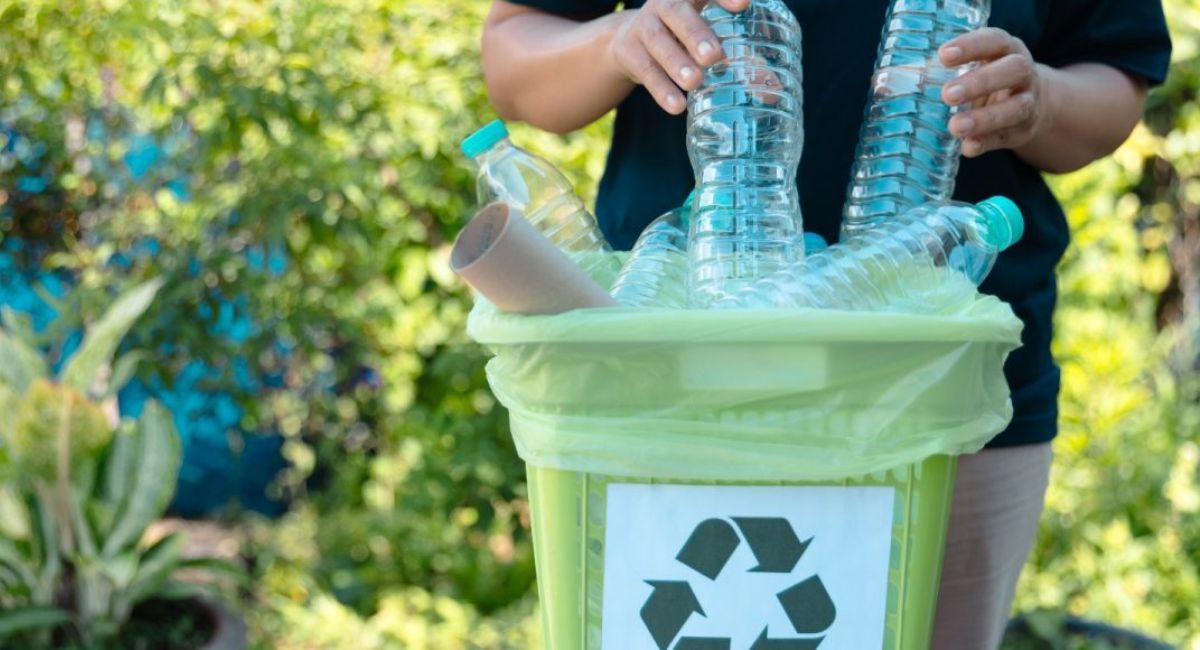
Managing waste responsibly has become one of the most important challenges of modern life. As global populations grow and consumption increases, the amount of garbage produced daily continues to rise.
When your trash bin overflows and collection is delayed, it naturally raises a bigger question: Where does all this waste go?
Responsible waste disposal is not just about keeping your home clean—it is about protecting the environment, conserving resources, and building a sustainable future.
In 2026, with rising environmental awareness and stricter regulations worldwide, individuals and households are expected to play a major role in reducing waste and improving recycling practices.
This guide explores practical, easy-to-follow strategies for recycling, reducing waste, and managing disposal effectively in everyday life.
The journey toward responsible waste disposal begins right in your kitchen.
Traditionally, many households used a single bin for all types of waste. However, this method leads to contamination, making recycling difficult or even impossible. Today, modern waste management emphasizes pre-sorting—separating materials at the source.
Simple Pre-Sorting System:
Paper & Cardboard → Newspapers, boxes, magazines
Plastics → Bottles, containers, packaging
Glass → Jars, bottles
Organic Waste → Food scraps, peels
Even a small habit, like rinsing a sauce jar, can significantly improve recyclability. Contaminated recyclables often end up in landfills, defeating the purpose.
Urban households, especially in busy cities, can benefit from professional waste collection or junk removal services for better management of bulky items.
2. Buying Less to Toss Less
The most effective way to manage waste is to not create it in the first place.
This concept is known as waste reduction at the source, and it starts with mindful consumption.
Practical Tips:
Use reusable shopping bags
Avoid over-packaged products
Repair instead of replacing items
Buy durable, long-lasting goods
Choose refillable products
This mindset shift—from “use and throw” to “use and reuse”—can significantly reduce household waste.
In 2026, studies show that households practicing minimalism can reduce waste output by up to 40% annually, while also saving money.
3. Tackling the Big Messes
At some point, every homeowner faces large-scale waste situations:
Home renovations
Garage cleanouts
Yard clearing
Moving houses
In such cases, regular trash bins are not enough. Renting a dumpster or hiring a professional junk removal service becomes essential.
Why It Helps:
Centralized waste collection
Saves time and effort
Reduces multiple trips to disposal sites
Keeps property clean and safe
Large-scale waste handling ensures that materials are disposed of properly, often with recycling in mind.
4. Choosing the Right Dumpster Size
Selecting the correct dumpster size is crucial for efficient waste management.
A commonly recommended option is the 20-yard dumpster, which is suitable for:
Medium to large renovation projects
Multi-room cleanouts
Roofing or flooring removal
Key Benefits:
Holds approximately 6 pickup truck loads
Fits in most driveways
Cost-effective for larger jobs
Choosing the right size prevents overflow while avoiding unnecessary costs from renting oversized containers.
5. Keeping Toxins Out of the Environment
Not all waste is safe for regular disposal. Hazardous materials can cause severe environmental damage if not handled properly.
Common Hazardous Items:
Paint and chemicals
Motor oil
Batteries
Electronic waste (e-waste)
Improper disposal of these items can contaminate:
Soil
Water sources
Wildlife ecosystems
Safe Disposal Tips:
Use designated hazardous waste centers
Participate in community collection programs
Follow local disposal guidelines
Taking extra care with toxic waste helps protect both human health and the environment.
6. Smart Loading for Efficient Disposal
Loading waste into a dumpster might seem simple, but doing it correctly ensures safety and efficiency.
Best Practices:
Place heavy materials at the bottom
Distribute weight evenly
Break down large items
Avoid overfilling
Proper loading prevents accidents and allows waste collection teams to transport materials safely.
Even with strong containers, uneven weight distribution can cause issues during transportation.
7. Turning Yard Waste into Valuable Resources
Yard waste is often overlooked but can be one of the most valuable types of waste when handled correctly.
Instead of throwing away:
Leaves
Grass clippings
Branches
You can convert them into compost.
Benefits of Composting:
Reduces landfill waste
Produces nutrient-rich soil
Supports gardening and farming
Reduces methane emissions
Composting transforms organic waste into something useful, completing a natural cycle.
For larger yard projects, professional services can process green waste into mulch or compost for reuse.
8. Latest Waste Management Trends
Waste management has evolved significantly in recent years. In 2026, several trends are shaping the future of recycling and disposal.
1. Smart Waste Systems
Cities are adopting AI-based waste sorting systems to improve recycling efficiency.
2. Circular Economy
Products are being designed for reuse, repair, and recycling rather than disposal.
3. Zero-Waste Lifestyle
More individuals aim to produce minimal or no waste at all.
4. Plastic Reduction Policies
Many countries are banning single-use plastics and promoting eco-friendly alternatives.
5. E-Waste Recycling Growth
With increased electronic usage, proper recycling of devices is becoming essential.
These innovations highlight the importance of responsible waste habits at both individual and global levels.
What is the most effective way to reduce household waste?
The most effective way is to reduce waste at the source by buying only what you need, choosing reusable products, and avoiding unnecessary packaging.
Can all plastics be recycled?
No, not all plastics are recyclable. It depends on the type of plastic and local recycling facilities. Always check recycling symbols and local guidelines.
Why is separating waste important?
Separating waste prevents contamination, making recycling more efficient and ensuring materials can be reused instead of ending up in landfills.
How can I safely dispose of hazardous waste?
You should take hazardous materials to designated collection centers or participate in community disposal programs to ensure safe handling.
Is composting really helpful for the environment?
Yes, composting reduces landfill waste, lowers methane emissions, and creates nutrient-rich soil that benefits plants and agriculture.
Conclusion
Responsible waste disposal is no longer optional—it is a necessity in today’s world. From simple daily habits like separating recyclables to larger efforts such as composting and proper disposal of hazardous materials, every action plays a role in protecting the environment. As waste production continues to rise globally, individuals must take responsibility for their consumption patterns and disposal methods.
By adopting smarter waste management practices, we not only reduce pollution but also conserve valuable resources for future generations. Whether it’s reducing purchases, reusing materials, or recycling correctly, small changes can lead to significant results over time.
In 2026 and beyond, sustainability is the key to a cleaner and healthier planet. Making conscious choices today ensures a better tomorrow—for ourselves and the world around us.