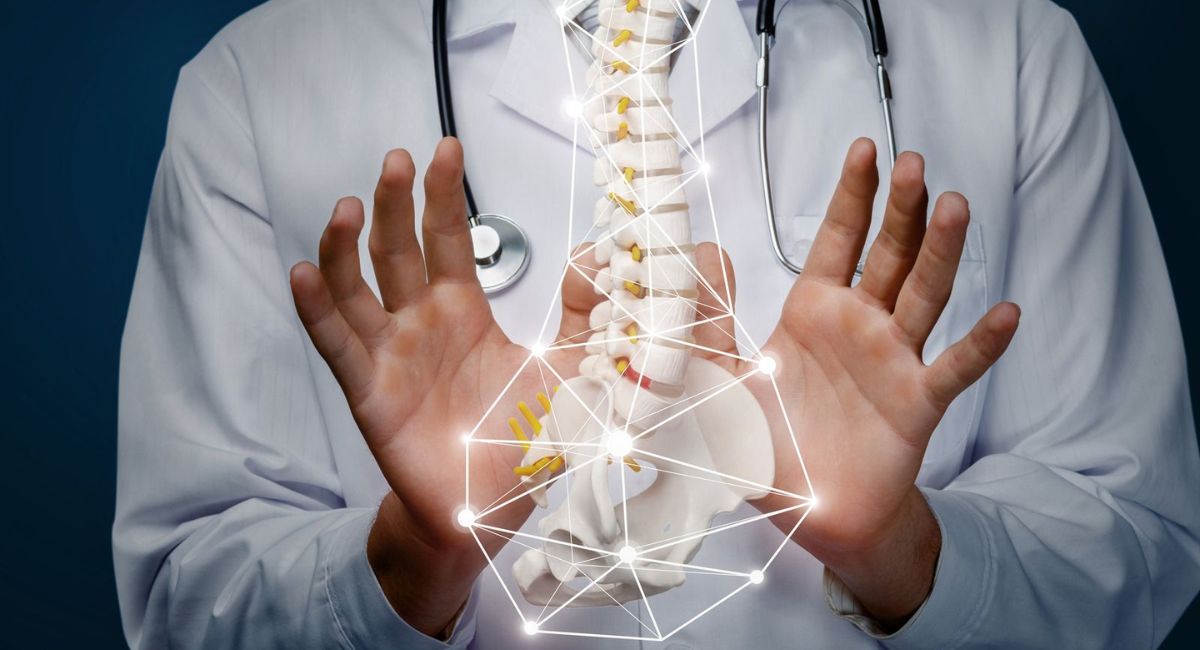
Spine health plays a crucial role in overall well-being, mobility, and daily comfort. The spine is a complex structure made up of bones, discs, nerves, ligaments, and muscles that work together to support the body and protect the nervous system.
When any part of this system is affected, it can lead to pain, discomfort, or even serious health issues.
A spine specialist is a trained medical professional who focuses on diagnosing and treating conditions related to the spine. These specialists may come from different medical backgrounds such as orthopaedics, neurosurgery, or physical medicine and rehabilitation.
Their goal is to provide accurate diagnosis, effective treatment, and long-term solutions for spine-related problems.
In this complete 2026 guide, we will explore when you should see a spine specialist, common symptoms, available treatments, preventive care, and how to choose the right expert for your needs.
A spine specialist is a doctor who has advanced training in treating disorders of the spine. These professionals deal with conditions affecting the neck, mid-back, and lower back areas.
There are three main types of spine specialists:
Orthopaedic Spine Surgeons – Focus on bones, joints, and structural issues
Neurosurgeons – Specialize in nerve-related spine conditions
Physiatrists (Rehabilitation Doctors) – Focus on non-surgical treatments and recovery
In 2026, spine care has become more advanced, with specialists using modern technology such as minimally invasive surgery, AI-based diagnostics, and personalized rehabilitation programs.
Common Spine Conditions Treated by Specialists
Spine specialists manage a wide range of conditions, from mild discomfort to severe disorders. Understanding these conditions helps you know when to seek help.
1. Herniated Disc
A herniated disc occurs when the soft inner part of a spinal disc pushes out through its outer layer. This can press on nearby nerves and cause pain, numbness, or weakness.
2. Sciatica
Sciatica refers to pain that travels along the sciatic nerve, usually from the lower back down to the legs. It is often caused by nerve compression.
3. Spinal Stenosis
This condition involves narrowing of the spinal canal, which puts pressure on the nerves. It is more common in older adults.
4. Degenerative Disc Disease
As people age, spinal discs lose flexibility and cushioning. This can lead to chronic pain and reduced mobility.
5. Scoliosis
Scoliosis is an abnormal curvature of the spine that may develop during childhood or later in life.
6. Chronic Back or Neck Pain
Persistent pain lasting more than a few weeks should never be ignored. It may indicate an underlying issue.
7. Spine Injuries
Accidents, falls, or sports injuries can damage the spine and require immediate medical attention.
Signs You Should See a Spine Specialist
Many people ignore back or neck pain, hoping it will go away. However, certain symptoms indicate that you need professional help.
Persistent Pain
If your pain lasts longer than 2–3 weeks and does not improve with rest or medication, it is time to consult a specialist.
Radiating Pain
Pain that spreads to the arms, legs, or buttocks may indicate nerve involvement and should be evaluated.
Numbness or Tingling
A tingling sensation or numbness in your limbs can signal nerve compression or damage.
Weakness in Muscles
Difficulty lifting objects, walking, or maintaining balance may be linked to spinal issues.
Difficulty Standing or Walking
If your mobility is affected, it could be a sign of spinal stenosis or nerve pressure.
Pain After Injury
Any pain following a fall, accident, or sports injury should be checked immediately.
Night Pain or Sleep Disturbance
Pain that worsens at night or interrupts sleep can indicate a serious condition.
How Spine Problems Are Diagnosed
Accurate diagnosis is the first step toward effective treatment. Spine specialists use a combination of methods to identify the problem.
Physical Examination
The doctor will check your posture, movement, reflexes, and strength.
CT Scans – Provide detailed cross-sectional images
Nerve Tests
Tests like electromyography (EMG) help evaluate nerve function.
Medical History
Your lifestyle, past injuries, and symptoms play an important role in diagnosis.
Treatment Options for Spine Conditions
Treatment depends on the severity and type of condition. In most cases, non-surgical methods are tried first.
Non-Surgical Treatments
Physical Therapy
Exercises and stretches help strengthen muscles and improve flexibility.
Medications
Pain relievers, anti-inflammatory drugs, and muscle relaxants are commonly prescribed.
Lifestyle Changes
Weight management, posture correction, and ergonomic improvements can reduce strain on the spine.
Injections
Steroid injections may be used to reduce inflammation and pain.
Surgical Treatments
If non-surgical methods fail, surgery may be recommended.
Minimally Invasive Surgery
Modern techniques involve smaller incisions, faster recovery, and less pain.
Spinal Fusion
This procedure joins two or more vertebrae to stabilize the spine.
Disc Replacement
Damaged discs are replaced with artificial ones to restore function.
In 2026, robotic-assisted spine surgery is becoming more common, improving accuracy and outcomes.
Recovery and Rehabilitation
Recovery does not end after treatment. Rehabilitation is essential for long-term success.
Follow physiotherapy programs
Maintain a healthy lifestyle
Avoid heavy lifting during recovery
Attend regular follow-up appointments
A proper rehabilitation plan can significantly improve mobility and reduce the risk of future problems.
Preventive Spine Care Tips
Prevention is always better than treatment. Taking care of your spine can help you avoid serious issues.
Maintain Good Posture
Sit and stand with a straight back to reduce pressure on your spine.
Exercise Regularly
Strengthening your core muscles supports the spine.
Use Ergonomic Furniture
Chairs and desks designed for comfort can prevent strain.
Lift Objects Properly
Always bend your knees and keep your back straight when lifting.
Maintain Healthy Weight
Excess weight puts extra pressure on the spine.
Eat a Balanced Diet
Calcium and vitamin D are essential for strong bones.
Stay Active
Avoid long periods of sitting or inactivity.
Choosing the Right Spine Specialist
Selecting the right doctor is important for effective treatment and recovery.
Check Qualifications
Make sure the specialist is certified and experienced.
Look at Experience
Choose a doctor who has treated cases similar to yours.
Read Patient Reviews
Feedback from other patients can give valuable insights.
Communication Skills
A good doctor listens carefully and explains treatment options clearly.
Advanced Facilities
Choose a clinic with modern equipment and updated technology.
Latest Trends in Spine Care
Spine treatment has improved significantly in recent years. Here are some modern advancements:
AI-assisted diagnosis for faster and accurate results
Robotic spine surgery for precision
Regenerative medicine using stem cells
Virtual physiotherapy sessions for remote recovery
Personalized treatment plans based on patient data
These innovations are making spine care safer, faster, and more effective.
Why Early Treatment Matters
Ignoring spine problems can lead to serious complications such as permanent nerve damage, chronic pain, or disability.
Early consultation offers several benefits:
Faster recovery
Less need for surgery
Lower treatment costs
Better quality of life
Taking action at the right time can make a huge difference.
Conclusion
Spine health is essential for living a comfortable and active life. From simple back pain to complex spinal conditions, ignoring symptoms can lead to serious complications over time. Knowing when to see a spine specialist is the first step toward protecting your health. Persistent pain, numbness, weakness, or difficulty in movement should never be taken lightly.
In 2026, advanced diagnostic tools and modern treatment options have made spine care more effective than ever before. Whether through non-surgical methods or advanced surgical techniques, most spine conditions can be successfully managed with timely intervention. By choosing the right specialist, following proper treatment, and adopting preventive habits, you can maintain a strong and healthy spine for years to come.
FAQs
When should I see a spine specialist?
You should see a spine specialist if you have persistent back or neck pain lasting more than a few weeks, numbness, weakness, or difficulty walking, especially after an injury.
What conditions do spine specialists treat?
They treat conditions like herniated discs, sciatica, spinal stenosis, scoliosis, degenerative disc disease, and spine injuries.
Are spine problems always treated with surgery?
No, most spine problems are treated with non-surgical methods such as physical therapy, medication, and lifestyle changes. Surgery is only recommended in severe cases.
How can I keep my spine healthy?
Maintain good posture, exercise regularly, eat a balanced diet, use ergonomic furniture, and avoid heavy lifting to keep your spine healthy.
How do I choose the best spine specialist?
Look for qualifications, experience, patient reviews, communication skills, and access to modern medical facilities when choosing a spine specialist.